Unveiling the Deadly Deception: Recognizing the Telltale Signs of Venomous Snakes
When it comes to encountering snakes in the wild, one of the most important things to be aware of is whether or not the snake is venomous. Knowing how to identify venomous snakes can mean the difference between life and death in some situations. In this article, we will explore the telltale signs of venomous snakes and how to recognize them in order to stay safe in snake-infested areas.
Why is it Important to Identify Venomous Snakes?
Identifying venomous snakes is crucial for several reasons. First and foremost, being able to recognize a venomous snake can help you avoid potentially dangerous encounters. If you know what to look for, you can take precautions to stay away from venomous snakes and reduce your risk of being bitten. Additionally, knowing how to identify venomous snakes can help you seek appropriate medical treatment in the event of a bite.
Characteristics of Venomous Snakes
There are several key characteristics that can help you identify a venomous snake. These include:
Fangs
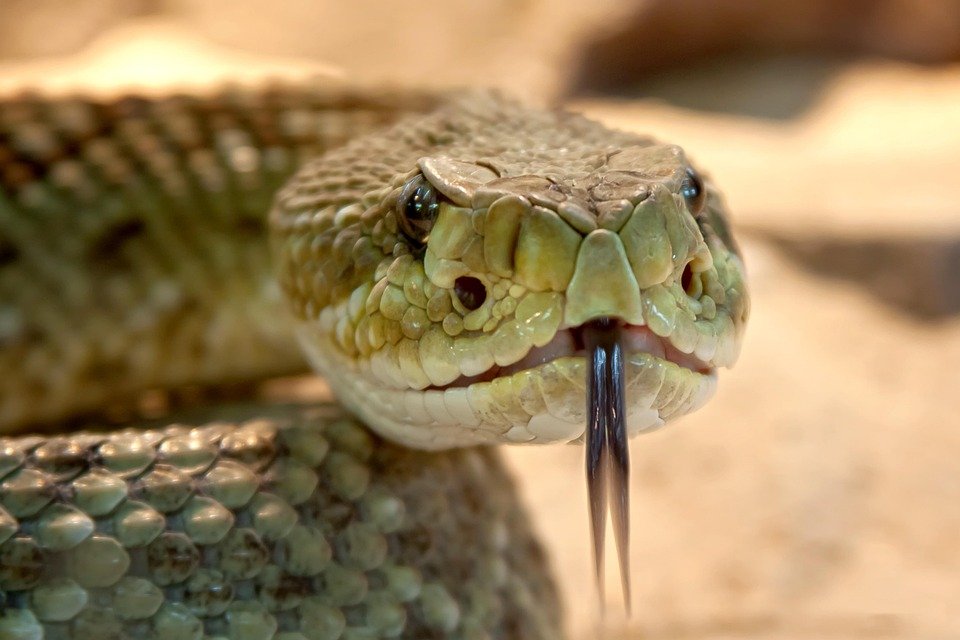
One of the most obvious signs of a venomous snake is the presence of fangs. Venomous snakes have hollow fangs that are used to inject venom into their prey. These fangs are typically longer and more pronounced than the teeth of non-venomous snakes.
Head Shape
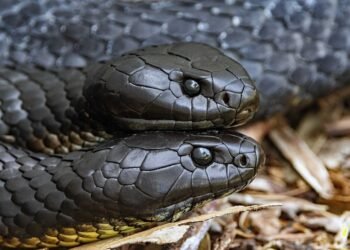
Another characteristic of venomous snakes is their head shape. Venomous snakes tend to have triangular-shaped heads, while non-venomous snakes have more rounded heads. This triangular head shape is due to the venom glands located behind the snake’s eyes.
Eye Shape
Venomous snakes also have elliptical pupils, while non-venomous snakes have round pupils. This difference in eye shape can help you quickly identify whether a snake is venomous or not.
Coloration
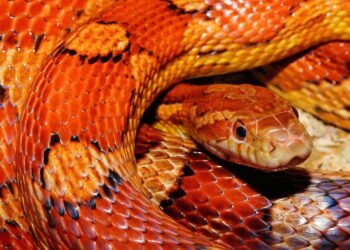
While coloration alone is not always a reliable indicator of whether a snake is venomous, many venomous snakes have bright colors and distinctive patterns. This is known as aposematic coloration and serves as a warning to potential predators to stay away.
Common Venomous Snakes
There are several species of venomous snakes that are commonly encountered in various regions around the world. Some of the most well-known venomous snakes include:
Rattlesnakes
Rattlesnakes are a group of venomous snakes known for the rattle located at the end of their tails. These snakes are found throughout the Americas and are responsible for numerous snakebite incidents each year.
Copperheads
Copperheads are another common venomous snake found in North America. These snakes are known for their copper-colored heads and are often found in wooded areas.
Cottonmouths
Also known as water moccasins, cottonmouths are venomous snakes found in the southeastern United States. These snakes are often found near water and have a distinctive white mouth when threatened.
Cobras
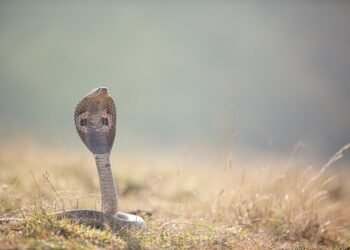
Cobras are venomous snakes found in Africa and Asia. These snakes are known for their iconic hood that they flare when threatened, as well as their potent neurotoxic venom.
What to Do if You Encounter a Venomous Snake
If you encounter a venomous snake in the wild, it’s important to remain calm and take the following steps:
Back Away Slowly
Do not make sudden movements or try to provoke the snake. Instead, slowly back away from the snake and give it plenty of space to retreat.
Do Not Approach the Snake
Even if you think the snake is non-aggressive, it’s best to avoid approaching it. Venomous snakes can strike quickly and without warning, so it’s best to keep your distance.
Seek Medical Attention if Bitten
If you are bitten by a venomous snake, seek medical attention immediately. Do not attempt to suck out the venom or apply a tourniquet, as these methods are not effective and can make the situation worse.
Conclusion
Being able to recognize the telltale signs of venomous snakes is an essential skill for anyone who spends time outdoors. By understanding the key characteristics of venomous snakes and knowing what to do in the event of an encounter, you can stay safe and avoid potentially dangerous situations. Remember to always respect snakes and their habitats, and take precautions to reduce your risk of encountering venomous snakes in the wild.